Want to talk to a guide? Create a free account to message them directly through Ikitorii.
Create an accountPrivate local guides in Kobe
Kobe sits on a thin strip between the mountains and the sea, and it has spent a century and a half looking outward: a port city, a sake town and a place that rebuilt itself from the ground up. These are the locals who live there.
Most visitors pass through Kobe on the way between Osaka and Hiroshima, eat a steak and keep going. They miss the city. Kobe opened to foreign trade in 1868, and the merchants who settled here left their mark everywhere: the wooden Western houses climbing the slopes of Kitano, the stone warehouses along the harbour, the Chinatown of Nankinmachi, the bakeries and coffee shops that still make Kobe one of the best places in Japan to start a morning. In 1995 the Great Hanshin earthquake destroyed much of it, and the way the city came back is a story its residents tell with quiet pride, from the preserved quay at Meriken Park to the neighbourhoods rebuilt street by street.
Every guide on this page is a real person with their own page, their own photos and their own idea of a good day out. You write to them directly, agree the date, the meeting point and the price between you, and pay them without anything passing through us. Ikitorii takes no commission on the time you spend together. Kobe is also the front door to the rest of Hyogo: Arima, one of the oldest hot spring towns in Japan, is on the other side of Mount Rokko, and Himeji Castle is half an hour away by train, so the first message often turns into a question about how far your day should go.
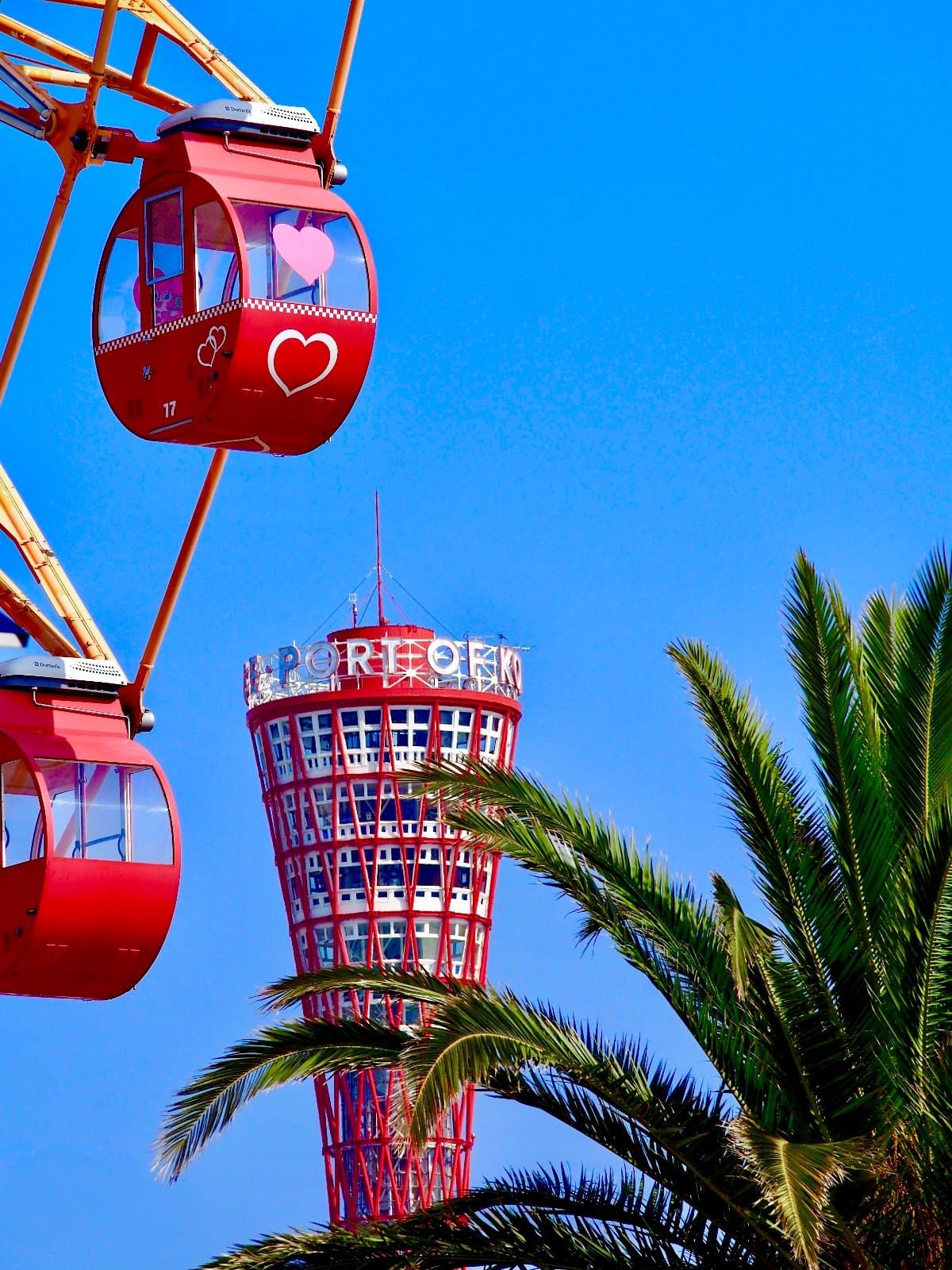

Eva in Kobe


Sake, beef and the table in between
The coastal district of Nada has been brewing sake for centuries, helped by spring water from Mount Rokko and rice from the Hyogo countryside, and the region still makes around a quarter of all the sake in Japan. Several breweries open their doors, and tasting side by side is the fastest way to understand what makes one bottle different from another. Then there is Kobe beef, which comes from Tajima cattle raised in the north of the prefecture under strict rules. A local knows where it is worth the price, and where the city eats on an ordinary evening.
From the harbour to the hills
Kobe is small enough to cross on foot and steep enough to change mood every few streets. The harbour, the shopping arcades of Motomachi and Sannomiya, the foreign residences of Kitano and the trails of Mount Rokko all fit in a single day, and the night view from the mountain is one of the most celebrated in Japan. Tell them what you are curious about, architecture, history, food or simply daily life, and let them draw the route.
How it works
Pick a guide whose page speaks to you and send them a message from Ikitorii. They answer in their own words, usually within a day, and the two of you take it from there. No booking fee, no fixed programme and nobody in the middle: just a local who wants to show you the Kobe they live in.