Want to talk to a guide? Create a free account to message them directly through Ikitorii.
Create an accountPrivate local guides in Nagoya
Nagoya is the city the bullet train rushes through between Tokyo and Kyoto, and that is exactly why it rewards the people who stop: samurai history, a food culture of its own, and the workshops that made modern Japan. These are the locals who live there.
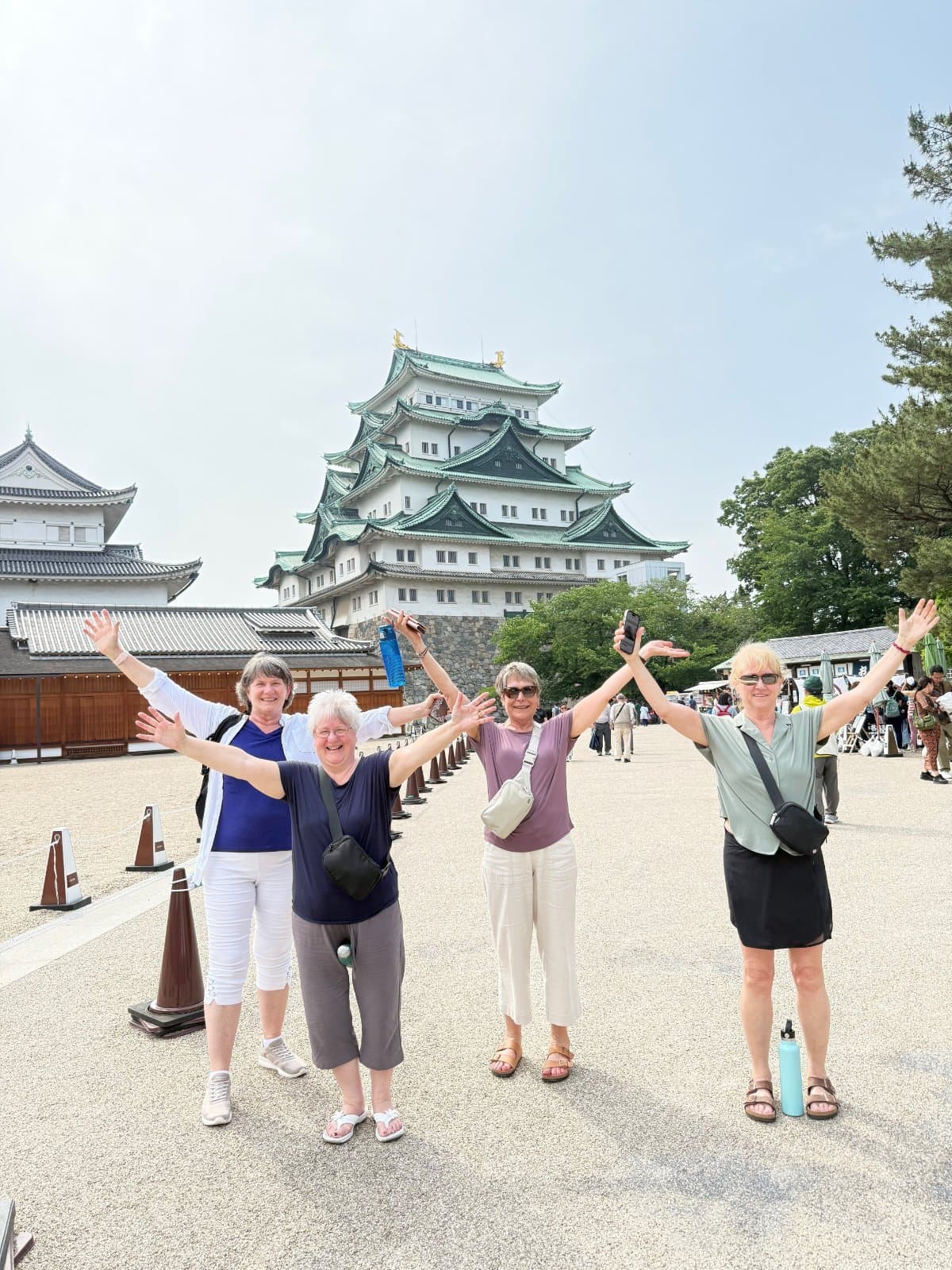
The three men who unified Japan in the sixteenth century, Oda Nobunaga, Toyotomi Hideyoshi and Tokugawa Ieyasu, all came from this corner of the country, and the region has never quite forgotten it. Nagoya Castle was built for the Owari branch of the Tokugawa family, the Tokugawa Art Museum keeps their armour, scrolls and tea utensils, and Atsuta Shrine, one of the most important in Japan, has been a place of worship for close to two thousand years. Between them, the city goes about its business: covered shopping streets in Ōsu, temple markets, and cafés that still serve a free breakfast with your morning coffee, a local habit called mōningu.
Every guide on this page is a real person with their own page, their own photos and their own idea of a good day out. You write to them directly, agree the date, the meeting point and the price between you, and pay them without anything passing through us. Ikitorii takes no commission on the time you spend together. Nagoya is also a good base: Inuyama, with one of the few original castle keeps left in Japan, is half an hour north, and the hilltop fortress of Komaki sits on the way, so the first message often turns into a question about how far your day should go.

Maki
Miso, eel and a cuisine of its own
Nagoya cooking is built on dark, rich hatchō miso, aged for years in wooden barrels in nearby Okazaki, and it shows up everywhere: on pork cutlets, in simmered noodles, in stews. Add hitsumabushi, grilled eel eaten three different ways from the same bowl, flat kishimen noodles and peppery chicken wings, and you have a food scene most travellers have never heard of. A local knows which counter has been doing one dish for fifty years, and how each one is meant to be eaten.
Castles, crafts and industry
Aichi is where Japan learned to make things: looms first, then cars, and the Toyota story is told right in the city in the old red brick spinning mill where it began. The same region kept its castles, its sake breweries and its craft workshops, and its countryside is full of quiet places tour buses skip. Tell them what you are curious about, samurai history, food, craftsmanship or everyday life, and let them draw the route.
How it works
Pick a guide whose page speaks to you and send them a message from Ikitorii. They answer in their own words, usually within a day, and the two of you take it from there. No booking fee, no fixed programme and nobody in the middle: just a local who wants to show you the Nagoya they live in.